Blog / Car Maintenance

What To Do In The Situation Where Your Windshield Shatters

Cracked Windshield
It's bound to happen. No matter how careful you are, your windshield is going to break. If you notice a small crack or something more significant in your windshield, you need to address it right away. There are several things you can do right after your windshield breaks to minimize or repair the damage.

Pull Over Safely

The first step after your windshield breaks is getting to safety. Flying debris from other vehicles or bridges can seriously damage your vehicle. Slow down and find a safe location to pull over. Call the police if you suspect someone throwing something from a bridge that caused the damage. They are going to need to take pictures and talk to you about what happened.

Determine If You Can Drive Safely

Once you are in a safe location, take a minute for yourself. Are you okay to drive? After you check on yourself, it's time to check on your car. If you have a pair of thick gloves, you may want to put them on before getting out. Be careful if you have open-toed shoes or sandals on, small shards of glass may have fallen from your car after your windshield broke. Take a good look at the break. Is it in your direct line of sight? If it is out of your line of sight, you might be able to drive home. How large is it? Small chips and cracks caused by flying debris often allow you to drive home safely. However, if it is a large crack or one caused by an accident, driving is not recommended.

Document the Break

After looking at the damage to your vehicle, take pictures of it. This is especially important if you were involved in an accident. Document everything you can about the incident. Write down everything that happened or record a voice memo on your phone. If your insurance company has questions or needs to see the damage, you can provide them with everything they need.

Clean Up the Glass

Clean up the glass as soon as possible. Wear gloves while cleaning up the glass to avoid being cut by any small shards. If you have a vacuum in your vehicle, use it on your seats. You can clear the glass from the outside of your car with a wet napkin.

Call for Professional Help

After cleaning up the mess and determining if you can drive home, call for professional help. You'll want to make this call as soon as possible. Some glass shops travel to your home or office to make the repair or replacement easier. If it is not safe to drive your vehicle, call a towing company. Have them take you to the nearest glass repair shop. Do not try to drive your car if you cannot see clearly out of the windshield. This poses a significant safety risk for you and your fellow drivers. Have a glass shop come to you or have the vehicle towed to a repair shop before driving it again. Image via Pixabay.com by kalhh

Posted in:

Related Posts

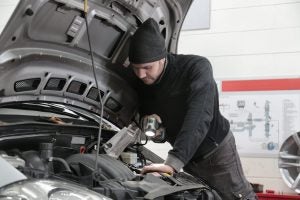
Person Looking Inside Hood of Car

Top 6 Signs You May Need Transmission Service

Every driver worries about missing out on issues with their vehicle, especially problems with internal parts such as the transmission. Here are the top 6 signs you may need transmission service. 1. Leaking Fluid The most apparent sign of transmission problems is fluid leaking from your vehicle. While you can often determine if leaks involve transmission fluid by looking out for its distinctive red color, this is not always the case, as the fluid can darken with use. Thus, we would recommend visiting a mechanic for an accurate diagnosis. more 2. Difficulty Changing Gears Your transmission taking a noticeably long time to change gears is also one common side effect of transmission issues. This can indicate low transmission fluid levels or an accumulation of dirt and grime in transmission parts, all of which will cause further long-term damage if left unaddressed. 3. Slipping Gears Even more worrying than difficulty when changing gears is your transmission slipping in and out of gears unprompted. Often caused by the same build-up of contaminants mentioned above, such situations can also be a sign of excessive wear and tear on your transmission. This can lead to a lack of hydraulic power in your vehicle, which generally manifests when tackling steep inclines and can be extremely dangerous for both yourself and other drivers on the road. 4. Unusual Noises or Odors Another warning sign to look out for would be uncharacteristic noises during your drives, such as grinding or whines from your transmission. This can be an early signal of various mechanical failures that should be rectified as soon as possible. In addition, a burning odor emanating from your vehicle can also highlight low fluid levels, or old and dirty fluid due for replacement. 5. Repeated Stalling A lack of response from your car right after shifting gears is yet another clue to problems with your transmission. An example of this would be a consistent delay of one to two seconds whenever you are preparing to move off at traffic lights, or other such instances of acceleration. 6. Pay Attention to Check Engine Light Finally, the simplest piece of advice we can give would be to acknowledge your check engine light. Due to the breadth of issues covered by this instrument, many drivers can feel confused when it goes off, or even actively choose to ignore it. Never do this. While some problems that trigger the engine check light can be basic, it can also indicate serious issues that will only worsen with time, and it is essential to promptly differentiate between the two. Does your car exhibit one or more of the signs we've brought up above? Don't wait till it's too late to prevent damage to your transmission - visit Lenoir City Ford today and allow our professional mechanics to perform a thorough examination of your vehicle and alleviate any concerns you might have. Image via pexels.com

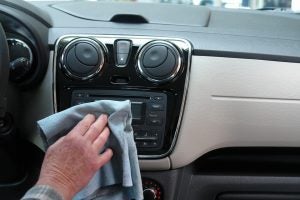
Cleaning the Center Console of a Car

Car Cleaning Tips: How to Clean the Interior and Exterior of Your Car

Is the inside of your car in need of a major rehaul? Here are some handy tips for spring cleaning your car like a master detailer. Clean the Carpet The carpets are where most food crumbs, spills, and dirt all end up, so it should be a priority to clean them out. Take out and wash any removable mats or pads and vacuum everything. You may have to wash and/or bleach stained areas and use smell treatments if the carpet contains any odors. The carpet area in the trunk is often the messiest spot, so don't forget it. more Wipe Upholstery Aside from the steering wheel, your car's seats have the most skin contact and maybe pet fur contact as well. Wash them down with a suitable cleaner for the material. After that, do the same to the steering wheel, being mindful of any cover materials. Clean the Console Area Think of how many times you or your passengers have touched the console with their hands. Wash the system carefully, cleaning up buttons, knobs, cup holders, and any other surfaces. Use a cloth that is damp but not dripping wet, and be careful not to get moisture in any electrical connections. Wash the Wheels and Body Give the outside a good wash, thorough enough to get any winter grime out of tight spaces. Consider giving the body a wax as well, to help the paint job shine and protect it from the sunniest parts of the day. The wheels will also need a good wash, especially if the roads are salted during the winter in your area because the salt can damage the caps or rims if left alone. Finally, wipe down the windows with a streak-free cleaner on both sides, plus the mirrors. Remove Hood Debris Many vehicles parked near trees have leaves trapped in the gap between the back of the hood and the bottom edge of the windshield. Pop the hood and take a look all around for any natural debris you can remove. Among the many benefits of car spring cleaning, this easy chore will help protect your car's body and the engine components. Organize the Inside Some of us can't help but treat our cars like a second bedroom, filling it with all sorts of stuff. Take a look through each compartment and put things in more appropriate places. For instance, try to move important documents and papers into one compartment, convenience items in another, emergency items in another, etc. You may want to clean each compartment with a damp rag before you refill it. Enjoy a sunny day by going out and freshening up your car. You'll love how much newer it looks and feels when you're finished, it will help de-clutter a major part of your daily life, and it'll leave you in a great mood. Image via pixabay.com

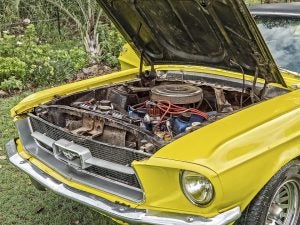
Yellow Ford Mustang Car Engine

How to Keep Your Car Engine Running and Expand It's Lifespan

The moment you pay for your car, you are making a long term investment. You count on it for your daily commute and fun road trips. It relies on you to keep it running for as long as possible. There are several things you can do to help extend the life of your car's engine. Regular Maintenance Regular maintenance is the most important thing you can do for your engine. Change your oil on time. Do not ignore the mileage on the sticker from your mechanic. By changing your oil regularly, you keep the internal workings of the engine lubed up and ready for the road. You may change your oil at home or call a local shop to have a professional do it. Another part of routine care is checking on your fluids and filters. If your fluids are low, refill them. As you change your oil, change the oil filter. You may also want to check on your fuel filter and see if it is dirty. Changing these filters helps the fluids work through the engine better. Check and change your air filter if it is dirty. It helps your engine breathe and stay cool during long trips. more Drive Carefully Do your best to limit the number of quick reactions while driving. When you stop quickly, you put stress on the engine. Avoid racing and other stressful driving habits. If your daily commute includes stop and go traffic from the time you leave your house, look for an alternative route or consider mass transit. The constant stop and go traffic adds stress to your engine that reduces its lifespan. Let It Warm Up Cold weather does not just make life miserable for humans, it also beats up your vehicle. Before leaving for work, turn your car on and let it run. As it warms, clear the snow or ice from your windshield. By the time the windshield is clean, it is safe to drive. However, you must ease the car into your drive. Give it about fifteen minutes once you hit the road before you start driving at highway speeds. Do Not Ignore Your Check Engine Light If your check engine light comes on, your car is trying to tell you something. Do not ignore the light. Make an appointment to get your vehicle looked at as soon as possible. Even if the problem is minor, letting it go will only cause more damage to your engine. A Trustworthy Mechanic Your mechanic is an essential factor in determining the lifespan of your engine. Find one you trust. Ask friends and family for their recommendations. Talk to them about your vehicle and make sure you are comfortable with their answers. A good mechanic is forthcoming with any potential problems and the costs to fix them. Do not be afraid to speak with a few different garages before choosing your mechanic. Share this information with all of the car owners you know. Get the most out of your investment by taking care of it. Don't be afraid to call for professional assistance when needed. Image via Pixabay.com